Conditions We Treat

We are redefining recovery

Conditions We Treat

Spinal Cord Injury

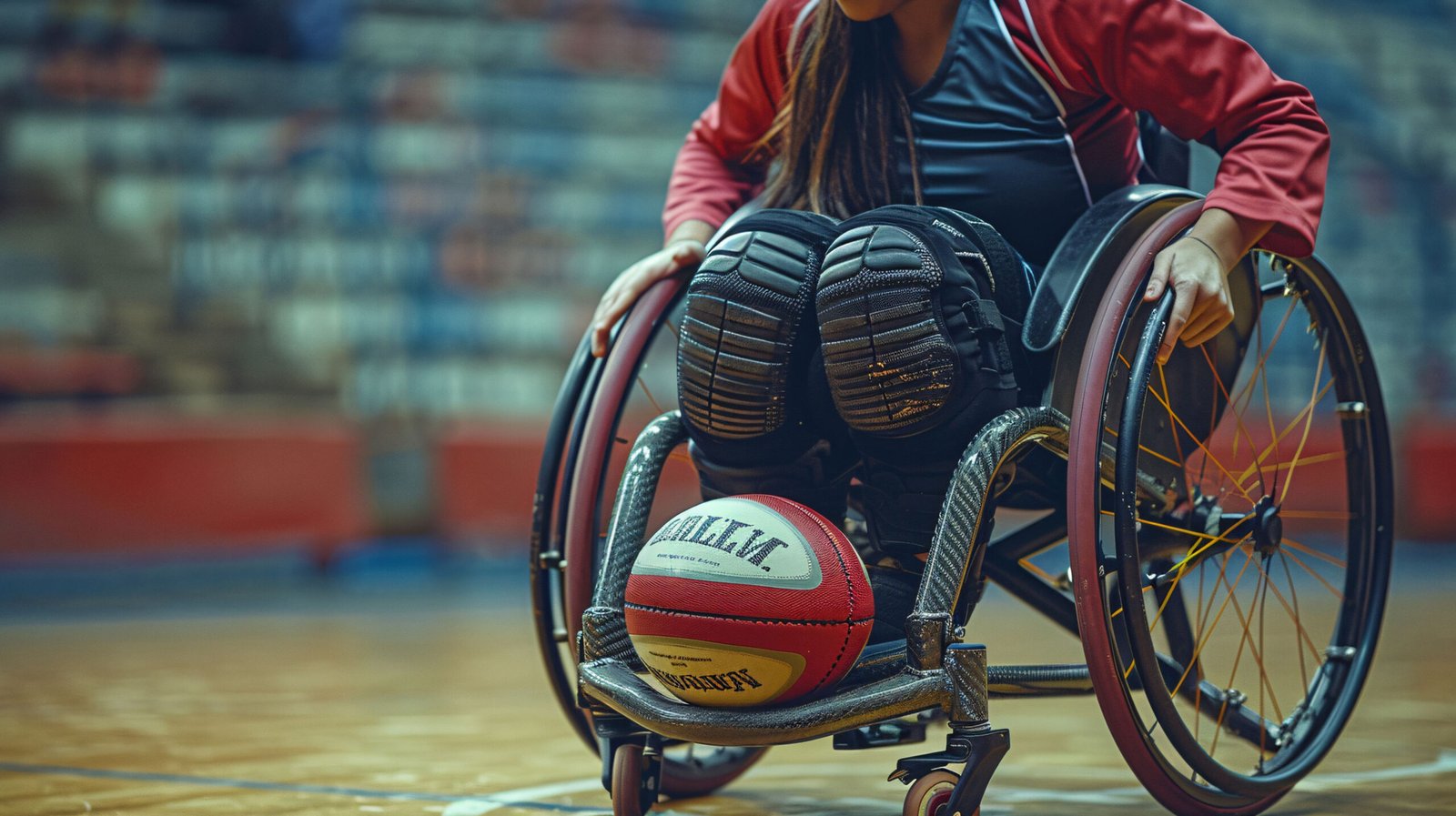
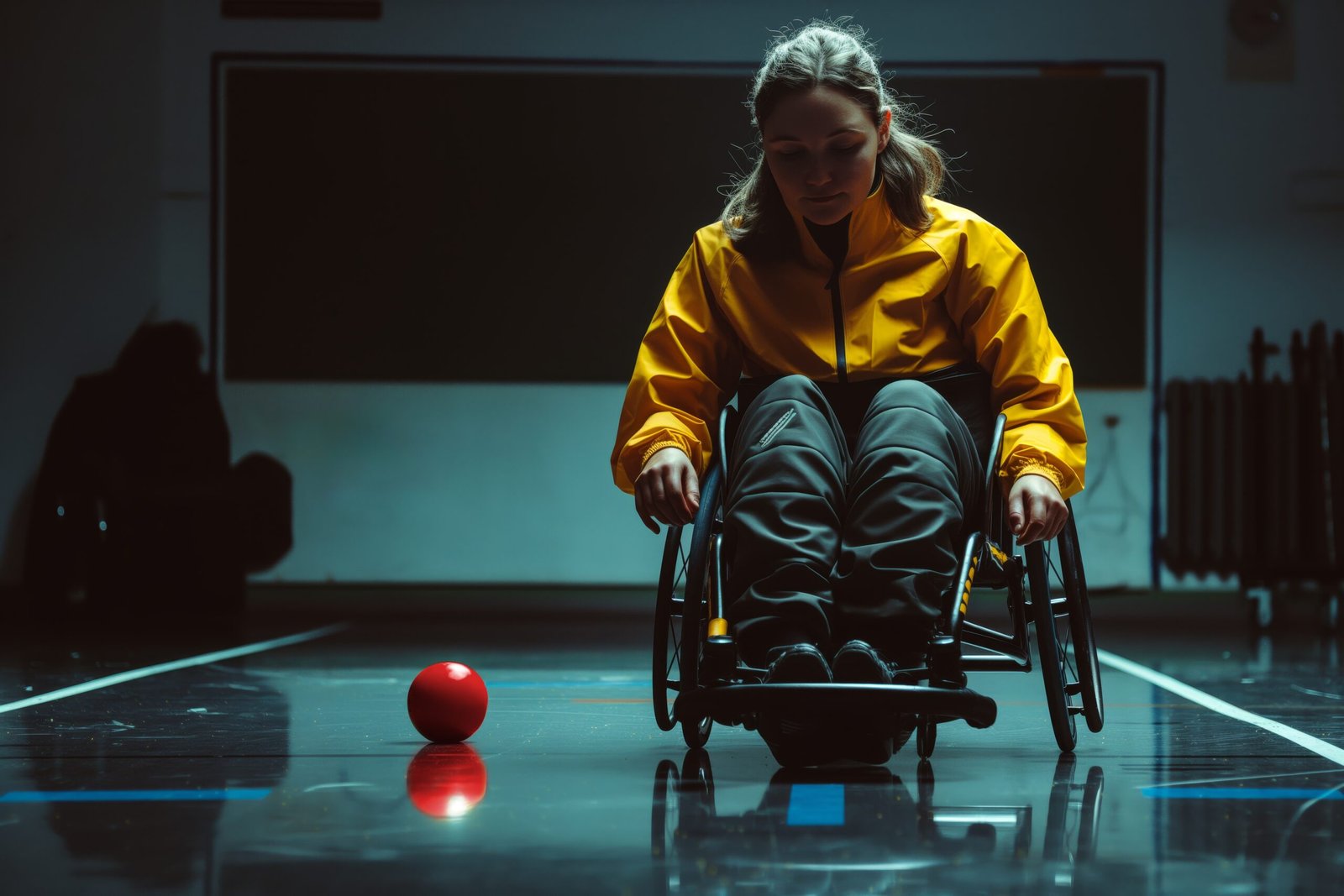
Spinal Cord Injuries can present many different ways depending on the level at which the injury occurs. Physical therapy is tailored to patients’ needs based on their level of function and goals. Physical therapy can help work on things such as wheelchair positioning, compensatory techniques, range of motion, strength training, and ambulation.

Stroke

Cerebrovascular Accidents can cause weakness, difficulty with skilled movement, impaired speech, and obstacles while performing activities of daily living. Physical therapy can help improve functional mobility, motor re-education, sensory awareness, and other appropriate therapeutic strategies based on a patient’s specific level of function and goals.

Traumatic Brain Injury

Traumatic Brain Injuries may result in difficulty with walking, speech, balance, and functional motor tasks. Physical therapy can help with these difficulties, as well as teach compensatory mechanisms to improve activities of daily living.

Cerebral Palsy

Cerebral Palsy may cause abnormal muscle tone, poor posture control, motor delays, and balance impairments. Physical therapy can help normalize tone, educate patients and caregivers, increase range of motion and strength, improve balance and mobility skills, and work towards functional goals.

Multiple Sclerosis

​Multiple Sclerosis may result in a patient presenting with increased fatigue, decreased balance, impaired coordination, and overall decreased mobility. Physical therapy can help patients that have been diagnosed with Multiple Sclerosis maintain their current level of function, increase their endurance, practice balance activities, and more!

Parkinson’s Disease

Parkinson’s Disease can lead to difficulty initiating and stopping movements, shuffling gait patterns, poor posture, and slow movements. Physical therapy will help maximize endurance, strength, and functional mobility for people that have been diagnosed with Parkinson’s Disease. Balance activities, gait training, and stretching are other important aspects that might be included in a physical therapy treatment session.
Neurological Oncology
ALS

Neurological Oncology Neurological Oncology involves tumors of the brain or spine, causing weakness and mobility challenges. Specialized therapy helps restore strength, improve coordination, and manage symptoms . We use evidence-informed practices and advanced technology to enhance quality of life and work toward functional independence .

Functional Neurological Disorders

Functional Neurological Disorders Functional Neurological Disorders involve nervous system symptoms like tremors or gait issues. Therapy focuses on retraining the brain-body connection, improving motor control, and building confidence . Our team provides one-on-one care to help patients manage symptoms and regain control over daily activities .

Guillain-Barré

Guillain-Barré Guillain-Barré causes rapid muscle weakness and paralysis due to nerve damage. Intensive rehabilitation is vital for rebuilding strength, improving coordination, and restoring mobility . We utilize advanced tools like robotic exoskeletons and FES systems to support recovery and achieve long-term functional goals .

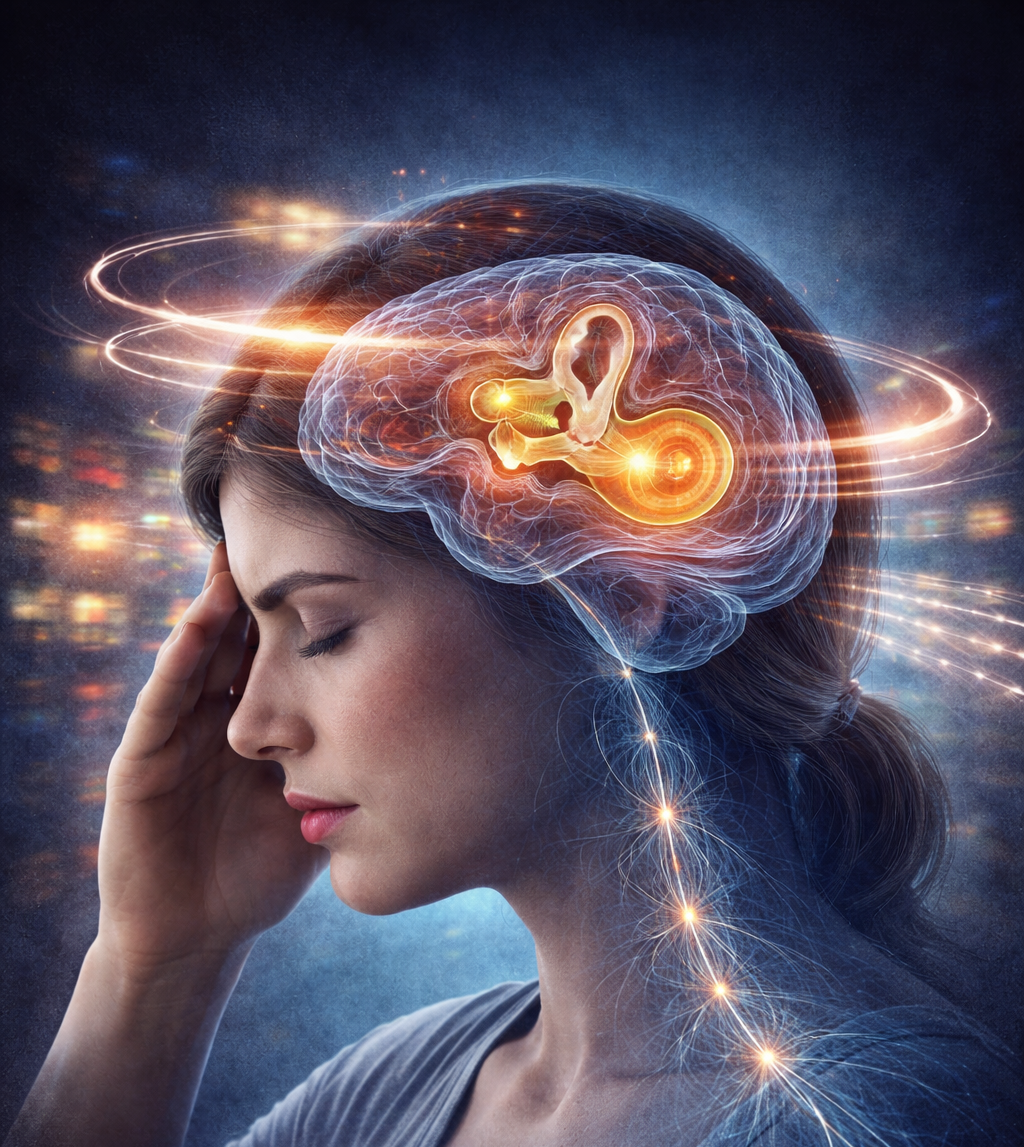
Vestibular and Balance Disorders

Vestibular and Balance Disorders Vestibular and Balance Disorders cause dizziness and instability, affecting safety and mobility. Our specialists use targeted protocols and technology like augmented reality gait training to improve balance and gaze stability . Therapy focuses on reducing fall risks and restoring confidence in daily movements .